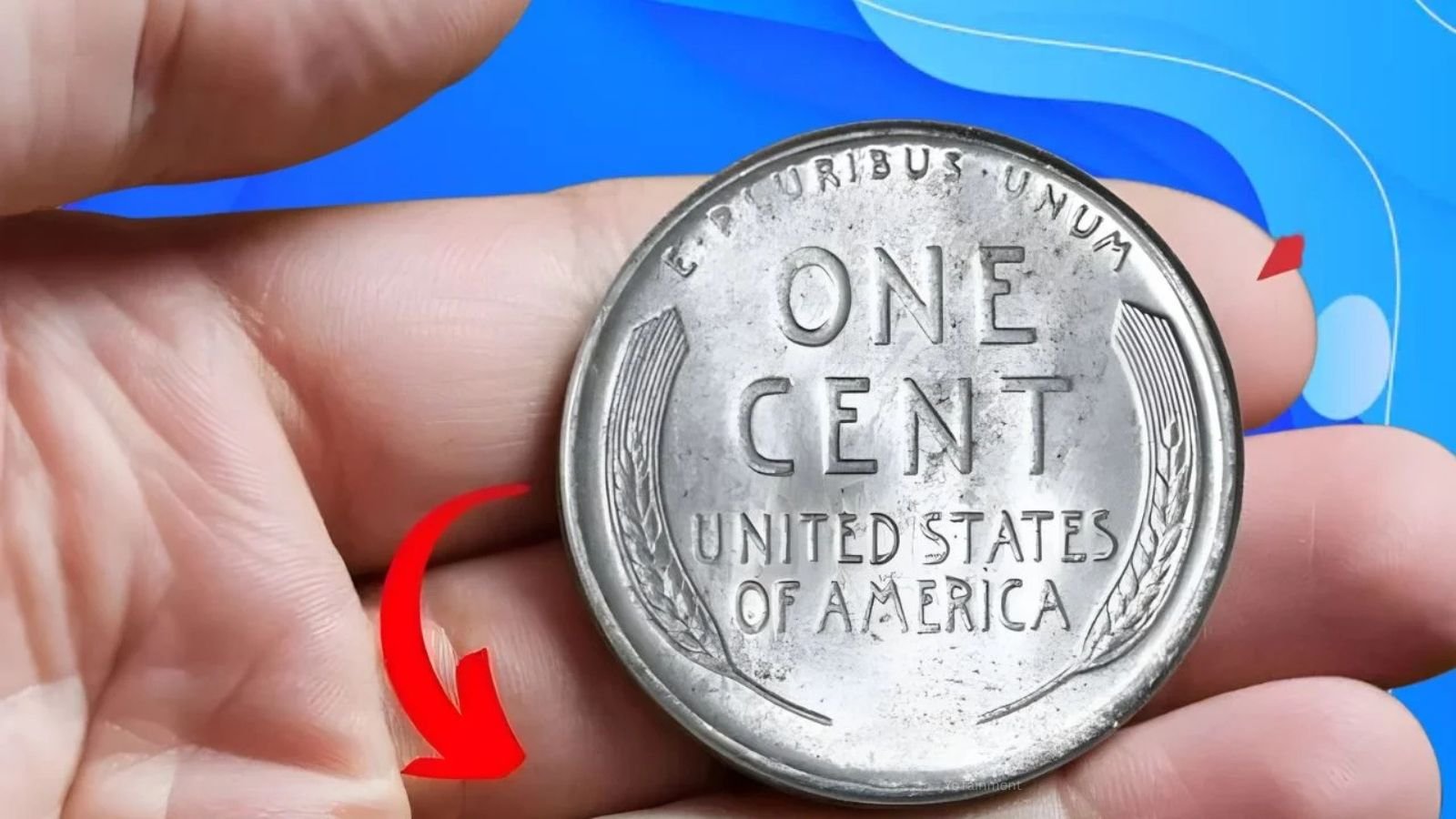

For coin collectors and history enthusiasts alike, the Wheat Penny stands as one of the most recognizable and beloved coins in American numismatic history. First released in 1909 to commemorate the 100th birthday of President Abraham Lincoln, the Wheat Penny marked a major shift in U.S. coinage. It was the first circulating American coin to feature a real historical figure instead of symbolic imagery, making it instantly significant.
Produced from 1909 to 1958, the Wheat Penny features Abraham Lincoln’s profile on the front and two wheat stalks framing the words “ONE CENT” on the reverse. While millions of these coins were minted and circulated, not all Wheat Penny coins are equal in value. Some are worth only a few cents, while others—because of rarity, condition, or errors—can be worth thousands, hundreds of thousands, or even millions of dollars.
This detailed guide explains how Wheat Penny values have changed over time, what makes certain coins exceptionally valuable, and how collectors can identify potentially rare and valuable examples.
TVS iQube Hybrid 2025 – Full Charge in 60 Minutes, 200KM Range, ₹0 Downpayment & Only ₹2,199 EMI!
Key Factors That Affect Wheat Penny Value
The value of a Wheat Penny is determined by several important factors. Understanding these elements helps collectors distinguish common coins from rare treasures.
1. Year and Mint Mark
One of the first things collectors examine is the year and mint mark. Wheat Penny coins were produced at three main U.S. mints:
-
Philadelphia (no mint mark)
-
Denver (D)
-
San Francisco (S)
Certain years and mint locations had much lower production numbers, making those coins significantly rarer today.
2. Condition and Grade
Condition plays a massive role in Wheat Penny value. Coins are graded on a scale ranging from heavily worn to Mint State (MS) or Proof condition. A Wheat Penny that looks almost new, with sharp details and no wear, can be worth many times more than the same coin in circulated condition.
3. Rarity and Mint Errors
Minting mistakes dramatically increase the value of a Wheat Penny. Errors such as doubled dies, off-metal strikes, missing mint marks, or wrong metal compositions can turn an ordinary penny into a collector’s dream.
4. Historical Importance
Certain Wheat Penny coins are historically significant, especially those from the first year of issue or those bearing designer initials like VDB. These coins hold a special place in U.S. coin history and are highly sought after.
Major Factors That Determine Wheat Penny Worth
Let’s be realistic—most Wheat Penny coins found in old jars or pocket change won’t fund retirement. However, specific characteristics can dramatically increase value.
| Factor | Description | Impact on Value |
|---|---|---|
| Year & Mint Mark | Low-mintage years like 1909-S or 1914-D | Very High |
| Condition (Grade) | MS65+, proof, or uncirculated coins | High |
| Errors & Varieties | Double dies, no mint mark errors | Extremely High |
| Metal Composition | Copper vs. steel issues | Medium |
| Historical Context | Wartime and first-year coins | Medium |
Even subtle differences can mean the difference between a few cents and a life-changing discovery.
Wheat Penny Values by Decade
1909–1919: The Early and Most Valuable Years
The earliest Wheat Penny coins are among the most valuable in the entire series.
-
1909 VDB (Philadelphia and San Francisco)
These coins feature the designer’s initials, Victor David Brenner, at the bottom of the reverse. The 1909-S VDB Wheat Penny is legendary among collectors. Circulated examples can sell for thousands, while pristine specimens have reached over $1 million at auction. -
1914-D Wheat Penny
With low production and heavy circulation, this coin is extremely rare in good condition. High-grade examples regularly exceed $50,000, making it one of the most valuable Wheat Penny coins ever produced.
1920–1929: Rising Demand and Rare Errors
During the 1920s, Wheat Penny production increased, but rare varieties still emerged.
-
Most common Wheat Penny coins from this decade are valued between $1 and $10 in circulated condition.
-
1922 No D Wheat Penny
A famous error caused by a worn die at the Denver Mint, resulting in coins missing the “D” mint mark. High-grade examples can sell for $10,000 or more.
1930–1939: The Great Depression Era
The Great Depression affected mintages and circulation patterns, influencing Wheat Penny values.
-
Common years from this decade are generally inexpensive.
-
1931-S Wheat Penny
This coin had a very low mintage and remains scarce today. Well-preserved examples often sell for $1,500 or more.
1940–1949: Wartime Wheat Penny Coins
World War II produced some of the most fascinating Wheat Penny varieties.
-
1943 Bronze Wheat Penny
In 1943, pennies were supposed to be struck in steel to conserve copper for the war. A small number were mistakenly minted on bronze planchets. These rare coins are among the most valuable Wheat Penny varieties ever discovered, with prices exceeding $1.7 million. -
1944 Steel Wheat Penny
The opposite error occurred the following year, creating steel pennies when copper was restored. These are also highly valuable.
1950–1958: The Final Wheat Penny Years
The last years of Wheat Penny production saw fewer rare coins.
-
Most circulated coins from this period are worth 5 to 25 cents.
-
Proof Wheat Penny coins and rare mint errors can still command hundreds or thousands of dollars.
Tips for Wheat Penny Collectors
Whether you’re just starting or already have a collection, these tips can help you identify valuable Wheat Penny coins.
Examine Mint Marks Carefully
A tiny letter beneath the date can dramatically change a coin’s value. Always check for D or S mint marks.
Handle Coins Properly
Never clean a Wheat Penny. Cleaning can destroy value. Handle coins by the edges or wear cotton gloves to prevent damage.
Look Closely for Errors
Use a magnifying glass to inspect letters, numbers, and metal composition. Many rare Wheat Penny coins were overlooked for decades before being recognized.
Get Professional Grading
Third-party grading services such as PCGS or NGC authenticate and grade coins. A graded Wheat Penny often sells for significantly more than an ungraded one.
Why Collect Wheat Pennies?
The appeal of the Wheat Penny goes far beyond monetary value. These coins represent nearly 50 years of American history, spanning two world wars, the Great Depression, and massive economic transformation.
From the iconic 1909 VDB to rare wartime errors, each Wheat Penny tells a unique story. For collectors, this blend of history, art, and potential financial reward makes Wheat Penny collecting both enjoyable and meaningful.
Final Thoughts
Understanding Wheat Penny values through the years is essential for anyone interested in U.S. coins. While most Wheat Penny coins are common, a small percentage are incredibly rare and valuable. Knowing what to look for—dates, mint marks, errors, and condition—can turn an ordinary penny into an extraordinary discovery.
Whether you’re searching through inherited collections, rolls of coins, or flea market finds, the Wheat Penny remains one of the most exciting areas of coin collecting. With patience, knowledge, and careful examination, hidden treasures from America’s past may still be waiting to be found.
FAQs: Wheat Penny Values Explained
Q1. What is a Wheat Penny?
A Wheat Penny is a U.S. one-cent coin minted from 1909 to 1958, featuring Abraham Lincoln on the front and wheat stalks on the reverse.
Q2. Why are some Wheat Penny coins so valuable?
Certain Wheat Penny coins are valuable due to rarity, minting errors, low production numbers, and excellent condition.
Q3. What are the most valuable Wheat Penny coins?
Some of the most valuable include:
-
1909-S VDB
-
1914-D
-
1922 No D
-
1943 Bronze Wheat Penny
Q4. How can I tell if my Wheat Penny is valuable?
Check the date, mint mark, metal type, and look for errors. Coins in uncirculated condition are especially valuable.
Q5. Should I have my Wheat Penny graded?
Yes. Professional grading confirms authenticity and condition, significantly increasing a Wheat Penny’s market value.